

HOW TO CHOOSE THE RIGHT TANDEM SKYDIVE IN NEW ZEALAND
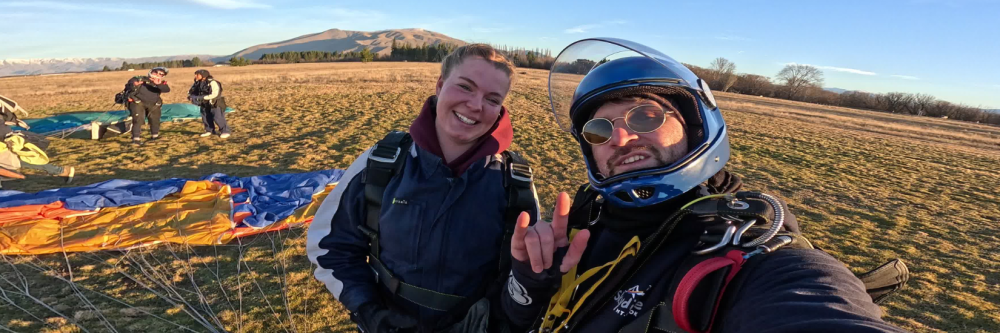
Thinking about doing your first tandem skydive in New Zealand?
One of the biggest challenges isn’t deciding whether to jump. It’s deciding which experience is right for you.
With different skydiving locations, jump altitudes, scenery, and freefall times available across New Zealand, it’s completely normal to have questions before you book. What does freefall actually feel like? Is tandem skydiving safe? Which location is the best choice? How high should you jump? And what can you expect on the day?
At Skydive New Zealand, we help first-time jumpers answer those questions every day before they take that courageous step. As the trusted guide behind some of New Zealand’s most iconic scenic skydiving experiences, we believe confidence starts with understanding what you’re booking and why.
Whether you’re drawn to alpine peaks, glacier landscapes, golden coastlines, or simply want to experience the feeling of freefall for the first time, this guide will help you choose the right tandem skydive and arrive feeling informed, prepared, and excited for the experience ahead.
What Is Tandem Skydiving and Why Is It Ideal for First-Timers?
Tandem skydiving is designed specifically to make it accessible to the public. Across Skydive New Zealand’s locations, tandem skydiving would be the choice for first-time jumpers, allowing an experienced instructor to manage the technical aspects of the jump while you focus on the scenery, the sensation, and taking in as much as you can from the experience.
Tandem skydiving pairs you with a certified instructor who is physically strapped to you throughout the entire experience. It’s the ideal first-time skydiver set-up, because no prior experience or extensive training is needed. You’ll get a brief 10-minute safety briefing before your jump, learning just two simple body positions to make your jump easy and safe, while the tandem master takes control of everything else, from equipment checks to parachute deployment.
For nervous first-time jumpers, tandem skydiving removes the pressure of remembering complex procedures and checks. You’re literally harnessed to an expert who has often completed thousands of jumps. Gives new meaning to ‘having your back’ right?!
Why Do First-Time Skydivers Feel Nervous Before Jumping?
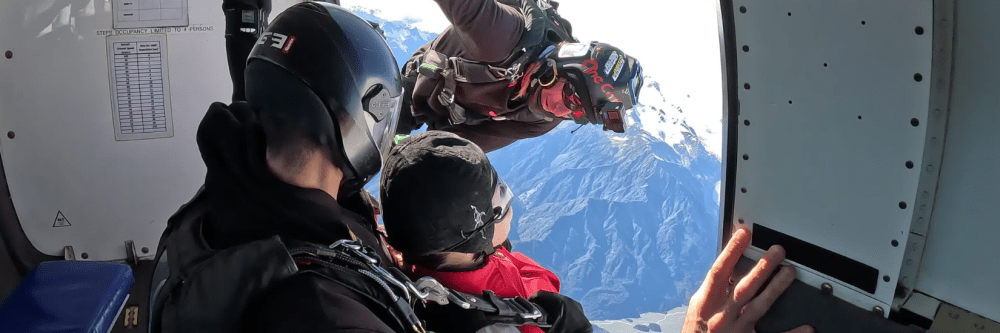
Nerves before your first skydive is completely normal and something every first-timer experiences. At Skydive New Zealand, we see this every day. Whether someone is jumping above the Southern Alps, with views of the glaciers of the West Coast, or along the coastline of Abel Tasman, the questions they ask are usually the same, and understanding what actually happens during a skydive is often the fastest way to replace uncertainty with confidence.
The fear of heights and the unknown are the two most common triggers. Your brain might resist the idea of jumping from a plane, even when you logically understand the safety measures in place. It’s good to understand that this is a natural, protective instinct, not a sign of weakness.
Many first-timers worry about that stomach-lurching drop sensation you feel on roller coasters. The good news is that skydiving feels nothing like that. Since you exit an aircraft already moving forward at high speed, you don’t drop straight down. Instead, you smoothly transition onto a powerful cushion of air.
What Does Freefall Actually Feel Like?
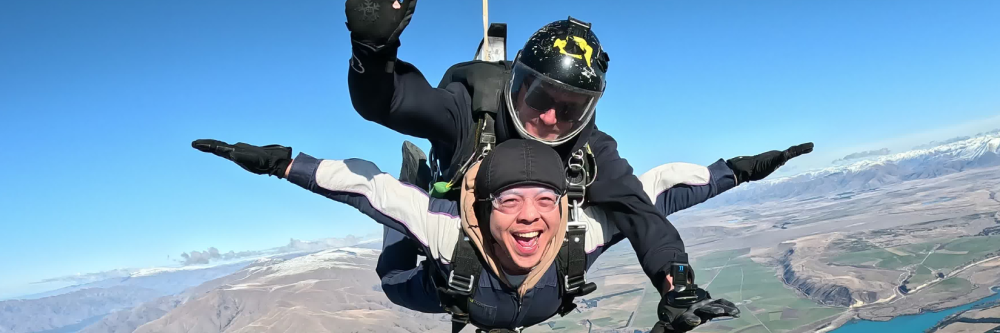
The sensation of freefall surprises most first-timers because it doesn’t match their assumed expectations. After a few seconds of acceleration, the wind pressure below you perfectly matches your speed, creating a feeling of floating rather than falling.
The wind is loud during freefall, similar to sticking your head out of a car window on the motorway. Even though the experience is breathtaking, you don’t have to worry about it stealing your breath; you’ll be able to breathe normally throughout the experience. Your body knows exactly what to do and the safety briefing has set you up for success by imparting the ‘banana shape’ into your brain.
You’re being supported by a solid column of wind and a pro who knows how to navigate it, allowing you the freedom to relax and take in the incredible 360-degree views of New Zealand’s stunning scenery. It’s noisy and windy, but also surprisingly serene. Many first-timers describe it as the closest thing to flying they’ve ever experienced.
How Safe Is Tandem Skydiving in New Zealand?
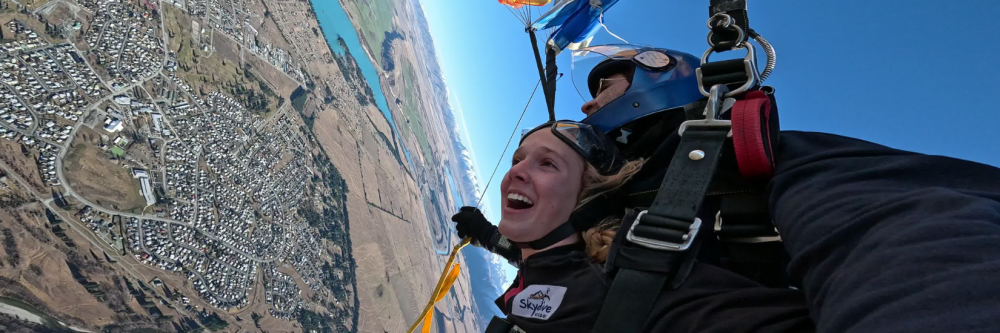
Tandem skydiving in New Zealand operates under strict safety regulations governed by the Civil Aviation Authority (CAA) and WorkSafe NZ Adventure Activity regulations. These multiple layers of oversight make it one of the safest adrenaline experiences available.
Every tandem set is equipped with both a main and a reserve parachute. Additionally, all gear includes an AAD (Automatic Activation Device), which automatically deploys the reserve parachute if it senses you are still in freefall beyond a certain altitude.
Choosing the right skydive operator is ultimately about trust. Quality equipment is fundamental, but not the only factor to consider. It’s also about experienced teams, solid operational systems, smart and informed weather-based decision-making, and a culture that prioritises doing things properly every day.
At Skydive New Zealand, safety is our top priority. Our equipment gets inspected daily and our parachutes are packed by licensed riggers, so we can proudly say our tandem instructor will be well-equipped, intensively trained and prioritise your safety at all times.
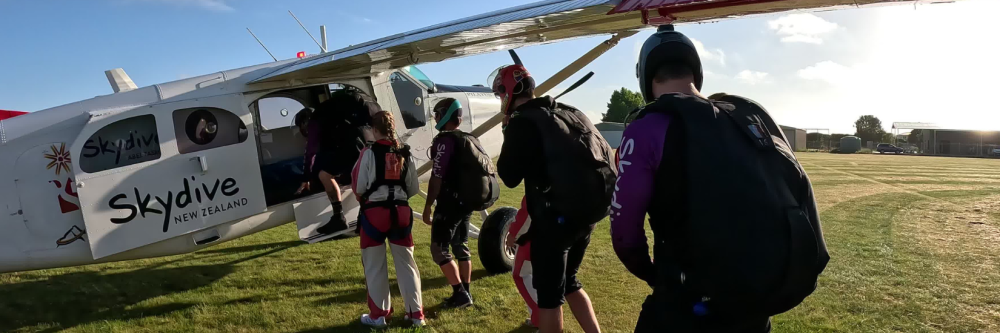
How Do You Choose the Right Tandem Skydive?
-
Choose Your Scenery
One of the advantages of booking through Skydive New Zealand is the ability to access and choose between dramatically different landscapes.
Skydive Abel Tasman offers coastal views, golden beaches, turquoise water, and the unique opportunity to sometimes see both New Zealand islands from the air.
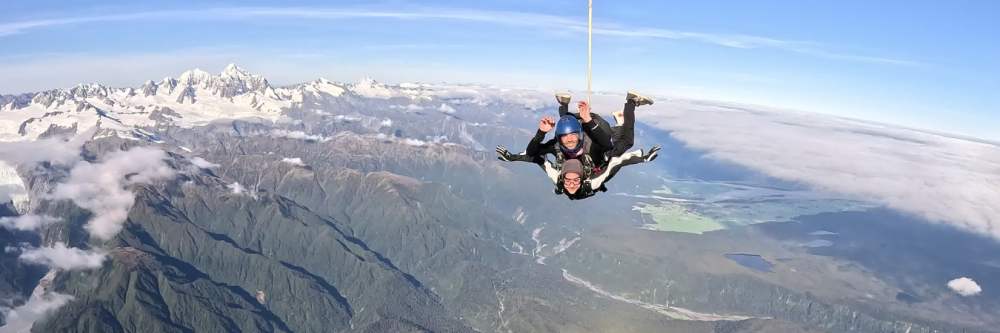
Skydive Franz Josef combines glaciers, rainforest, mountains and the Tasman Sea in a single panoramic view.
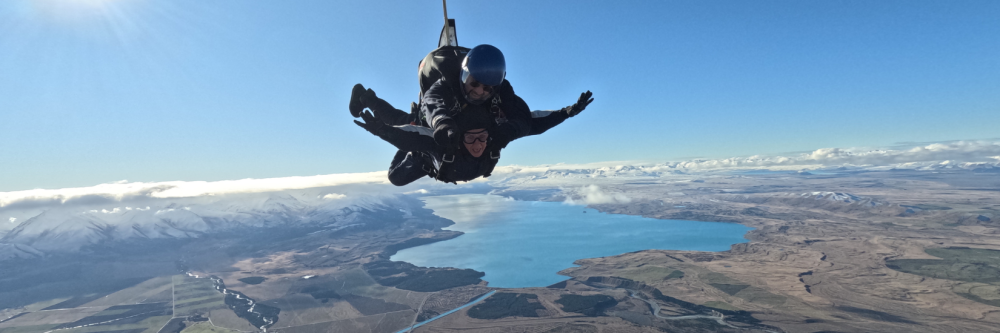
Skydive Mt Cook delivers New Zealand’s most iconic alpine scenery, including Aoraki/Mount Cook, Lake Pukaki and the Southern Alps.
Each location shares the same commitment to professionalism and safety while offering a very different visual experience.
-
Choose Your Experience Style
Ask yourself what excites you most:
- Maximum freefall time
- Bucket-list alpine scenery
- Glacier and rainforest landscapes
- Coastal views
- A shorter introduction to skydiving
- The highest skydive possible
There is no “best” jump when choosing your skydive. The right jump is the one that matches the experience you’re after. Many people’s decision are led by what they’ll get to see from they air, while others love the idea of ticking the highest skydive in New Zealand off their bucket list.
Many international visitors have jam-packed New Zealand travel itineraries. Weather changes can complicate your plans, but luckily with Skydive New Zealand we offer more flexible options if weather prevents you from jumping on the day. We will try to reschedule your skydive to the next good weather day, and if it doesn’t fit in with your travel plans, we can look into how we move your jump to one of our other Skydive New Zealand locations en-route, or provide the options for a full refund.
-
Choose Your Altitude
The last, and very important question is how high do you want to fly?
The higher you jump, the longer your freefall. When deciding which altitude is right for you, consider how much freefall time you want, your comfort level with altitude, the duration of your scenic flight experience, and how these fit into your budget.
At 10,000 feet, you’ll experience approximately 30 seconds of freefall with a 10-minute scenic flight. If you are looking for great value for your first skydive, Skydive Abel Tasman is competitively priced without sacrificing anything on quality and views. Jumping from 13,000 feet will extend your freefall to around 45 seconds, while a 16,500 feet skydive includes approximately 70 seconds of freefall. The highest skydive in New Zealand of 18,000 feet, can be done at Skydive Franz Josef and Skydive Abel Tasman, and gives you up to 85 seconds of freefall with a 30-minute scenic flight.
There are slight differences in the various heights you can go at each skydive location, so be sure to check each location out. And if you’re unsure which altitude suits you or have any questions, the team at Skydive NZ can recommend the right option based on your goals and chosen location.
What Are the Requirements for Your First Tandem Skydive?
The requirements for a first-time tandem skydive are simpler than most people imagine. They’re not about being a top athlete or adrenaline junkie; they’re about ensuring a safe experience for everyone involved.
Weight and Size Requirements
A parachute is certified for a maximum total weight, which includes you, your tandem instructor, and approximately 23 kilograms of gear. Most operators set a standard limit of 100 kilograms. If you weigh more than this, you may go through a pre-assessment on the day of your jump to ensure harness fit and safety.
Minimum weight requirements typically range from 30 to 40 kilograms to ensure a secure harness fit. The harness must sit properly on your body for the equipment to work as designed.
Age Requirements
We think Skydiving is for all ages, and there is no maximum age for tandem skydiving. As long as you’re in good health, you can jump at 70, 80, or beyond. For younger participants, minimum weight requirements and harness fit determine eligibility. All passengers under 18 years old require written parental or guardian consent.
Children under 16 may be limited to lower altitude jumps where supplementary oxygen isn’t required. It’s also recommended that younger skydivers have a guardian jump with them, especially if English is not their first language. Contact our team to talk you through any other uncertainties or questions.
Health Considerations
You don’t need to be an elite athlete to tandem skydive. However, if you have any serious medical conditions, it’s wise to consult your doctor before booking. Our skydiving team will chat with you on the day to ensure it’s safe and comfortable for you to jump.
How Should You Prepare Your Body Before Your Jump?
Physical preparation for your skydive is surprisingly straightforward. Like most important decisions in life, it starts with your stomach.
Eating Before Your Skydive
While it might seem smart to jump on an empty stomach, this is one of the most common mistakes first-time skydivers make. Eat a normal, light meal 1-2 hours before your jump. Toast, fruit, yoghurt, or a sandwich works well. Having food in your system helps stabilize your energy levels and manage the rush of adrenaline.
Stay well hydrated with water throughout the day. However, avoid alcohol for at least eight hours before your jump. This ensures you feel sharp and present for this memorable experience.
The Importance of Rest
Perhaps the most important tip on any first-time skydiving checklist is simply getting a good night’s sleep. A well-rested mind is far better at processing excitement and managing nerves. You’re about to tick something exciting off your bucket list, and feeling your best is the first step toward enjoying every second.
What Should You Wear for Tandem Skydiving?
Deciding what to wear for your tandem skydive is easier than most special occasions. The golden rule is to dress for comfort, seasonal fit and movement – just imagine you are going for a light hike or an outdoor gym session.
Recommended Clothing
Athletic pants or shorts, a T-shirt or long-sleeved shirt, and secure lace-up sneakers make the ideal outfit. Your choice should be season appropriate and we won’t recommend freefalling over a glacier during winter while kitted in shorts and a t-shirt.
Luckily, our drop zones provide a jumpsuit to wear over your clothes, but what you wear underneath will definitely affect your comfort throughout the day.
Avoid tight jeans, dresses, skirts, or any shoes without laces such as sandals, heels or boots. Dangling jewellery that could get lost or snagged should be removed before gearing up.
Prescription glasses are allowed. Your skydiving operator will provide goggles that fit comfortably over them for your jump.
Why Your Shoes Matter Most
The single most important part of your outfit is your shoes. You need secure, closed-toe sneakers to protect your feet during landing. A shoe flying off at 200 kilometres per hour creates problems for everyone. Make sure your laces are tied tightly before boarding.
What Happens When You Arrive at the Drop Zone?
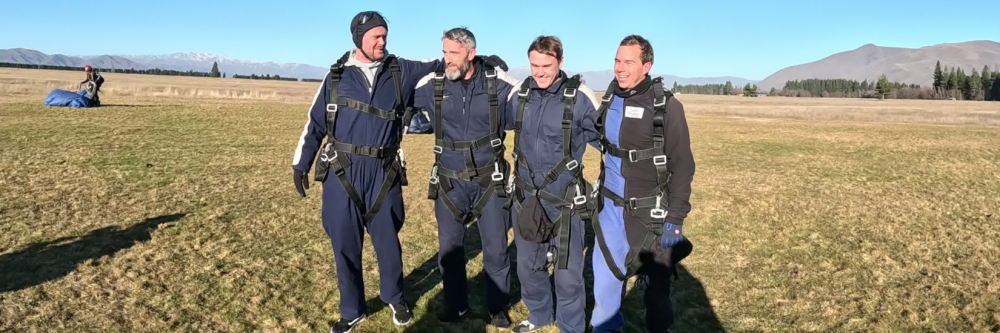
Once you arrive at the drop zone (the skydiving airport), the process follows a clear sequence designed to help you feel prepared and confident.
Check-In and Paperwork
Your first step is to check in at the respective base that holds your booking. This involves the usual routine paperwork, including a standard legal waiver that’s normal for any adventure sport. You can also complete your waiver using the link we emailed to ahead of time if you want to speed-up the check-in process. Once you get the logistics sorted, you can focus on the experience ahead.
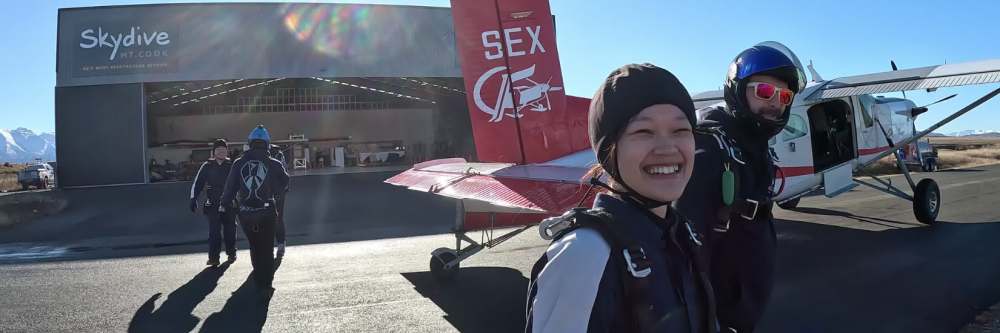
Skydiving at Abel Tasman, Franz Josef, or Mount Cook offers different scenic experiences, but the check-in process remains similar across all locations.
Weather Considerations
Skydiving is 100% weather dependent. Pauses for wind or clouds are both normal and a good sign of a team that puts your safety first. If conditions aren’t suitable, you’ll be offered the choice of rescheduling or receiving a refund.
Booking the earliest morning slot is recommended. Morning weather in New Zealand is typically more stable. If there are minor delays, it gives the team more flexibility to fit your jump in later that same day.
The benefit of booking with one of the Skydive New Zealand’s locations is our ability to potentially move your booking to another location if you have to continue with your travels. If weather changes prevented you from jumping at Skydive Abel Tasman, you can chat to the team and ask them if they can move the booking to Skydive Mt Cook or Skydive Franz Josef, if you’re heading that way. Why should you miss out?
Meeting Your Tandem Instructor
Finally, you’ll meet the most important person of your day: your tandem instructor. This is a highly qualified professional, often with thousands of jumps under their belt. They are your expert guide for the entire journey, responsible for everything from gear checks to getting you safely back on the ground.
What Will You Learn in Your Pre-Jump Briefing?
Following your introduction to your instructor, you’ll receive a quick safety briefing. This session covers everything you need to know, and you’re encouraged to ask as many questions as you like.
The Arch Position
Your main job during freefall is to hold a body position called the arch. Think of making a gentle banana shape by pushing your hips forward. This simple posture creates stability in the air. Many people overthink this, but before you know it, you’ll fly through the sky like a natural.
The Landing Position
Your only other task comes at the very end. For a smooth landing, you simply lift your legs straight out and up. This allows your instructor’s feet to touch the ground first, ensuring a gentle, often sliding finish to your jump.
And that’s it. Arch for freefall, legs up for landing. Your instructor handles every other step in the process, from the gear to deploying the parachute. Your role is simple by design so you can relax and focus on the incredible experience.
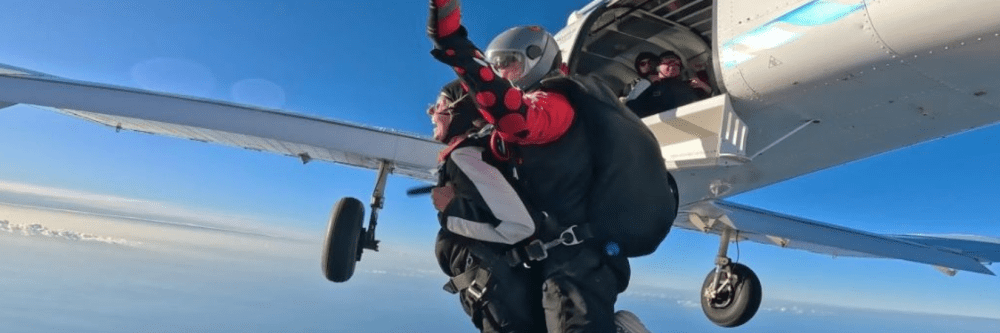
What Makes New Zealand a World-Class Skydiving Destination?
New Zealand is one of the few places in the world where your skydive can be as much about the landscape as the freefall itself. From glaciers and rainforest to alpine lakes and coastal national parks, the scenery often becomes one of the most memorable parts of the experience.
Spectacular Scenery from Above
Few places on Earth offer the visual variety found across New Zealand’s drop zones. From turquoise oceans and golden beaches to snow-capped mountains and glacial lakes, the views during your canopy ride are unforgettable.
Skydive Mount Cook offers views of Aoraki/Mt Cook National Park, Lake Pukaki, and the Southern Alps. Skydive Franz Josef features glacier views, rainforest, and ocean panoramas in a single 360-degree sweep. Skydive Abel Tasman is the only drop zone where you can see both the North and South Islands from the air.
Experienced Operators with Strong Safety Records
New Zealand’s adventure tourism industry is known for its professionalism. Skydive NZ has over 30 years of experience making people happy, with a commitment to safety that exceeds regulatory requirements.
What About Photos and Videos of Your Jump?
Many first-timers want proof they jumped out of an aircraft. Professional media packages are available to capture your experience, since you cannot bring personal cameras, phones, or GoPros on the flight.
Per New Zealand Civil Aviation Authority regulations and safety policies, passengers cannot carry their own recording devices during the jump. This is for safety reasons, as loose items become dangerous at 200 kilometres per hour.
If you purchase a media package, you’ll typically receive a digital download link within 24-48 hours after your jump, and we sometimes run special offers on purchasing your package online ahead of arrival. Be sure to include it when booking online, you won’t regret it when people’s comments start to flood your DMs.
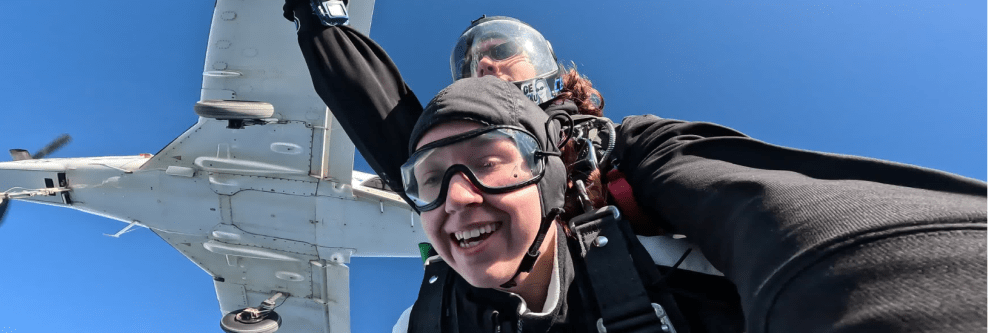
How Can You Manage First-Time Skydiving Anxiety?
Managing anxiety before your first jump is about understanding what’s normal and giving yourself permission to feel nervous.
Acknowledge Your Feelings
Every first-time skydiver experiences some level of nervousness. The adrenaline you feel is your body preparing for something extraordinary and unfamiliar. Rather than fighting this feeling, accept it as part of the adventure and see t for what it is.
Focus on What You Control
You can control your preparation: getting enough sleep, eating appropriately, wearing comfortable clothes, and listening to your instructor. You cannot control the weather or the butterflies in your stomach. Focus your energy on the first category and choosing an operator with a good reputation.
Trust Your Instructor
Remember that you are literally attached to an expert who has done this thousands of times. Your instructor wants you to have an incredible experience and will guide you through every moment. Your entire job is to listen and follow their simple instructions.
What Happens After Your Parachute Opens?
When the parachute deploys, the experience shifts dramatically. The rush of freefall gives way to a peaceful glide under canopy that lasts several minutes depending on your jump altitude.
This is your time to take in the incredible views below. Many first-timers say the canopy ride is their favourite part because it offers a chance to process what just happened while floating peacefully above New Zealand’s landscapes.
Your instructor may offer you the chance to steer the parachute during this descent. The conversation becomes possible again as the wind noise reduces dramatically compared to freefall and our Skydive New Zealand Tandem masters are familiar with the region to point out some of the key landmarks if you’d be interested in it.
In Conclusion: Choosing the Right First Skydive
Your first skydive isn’t just about stepping out of a plane to tick off an amazing experience off your bucket list. It’s about choosing the experience that’s right for you.
Now you understand what tandem skydiving feels like, how safety systems work, how to prepare, and what happens throughout the experience. You also know how different locations, scenery, and jump altitudes can shape the experience in different ways.
At Skydive New Zealand, our role is to help first-time jumpers make informed choices with confidence. Whether you’re drawn to the glaciers of Franz Josef, the alpine landscapes of Mount Cook, or the coastline of Abel Tasman, the goal remains the same: delivering an unforgettable scenic skydiving experience backed by experienced teams and trusted operational standards.
Once you’ve chosen the view, all that’s left is to take the leap and book the memory of a lifetime at your chosen certified drop zone. Get up here!
Key Takeaways: Tandem Skydiving in New Zealand for First-Time Jumpers
- Freefall doesn’t feel like falling; you transition onto a cushion of air that creates a floating sensation, not that stomach-drop feeling.
- Skydive NZ guides nervous first-timers through every step with experienced tandem instructors who handle all technical work.
- Your only two jobs during the entire jump are to arch your body in freefall and lift your legs for landing.
- New Zealand’s tandem skydiving follows strict safety regulations under CAA and WorkSafe NZ, making it one of the safest adventure activities.
- Weather-dependent rescheduling shows operators prioritize your safety; morning bookings offer the most flexibility for weather changes.
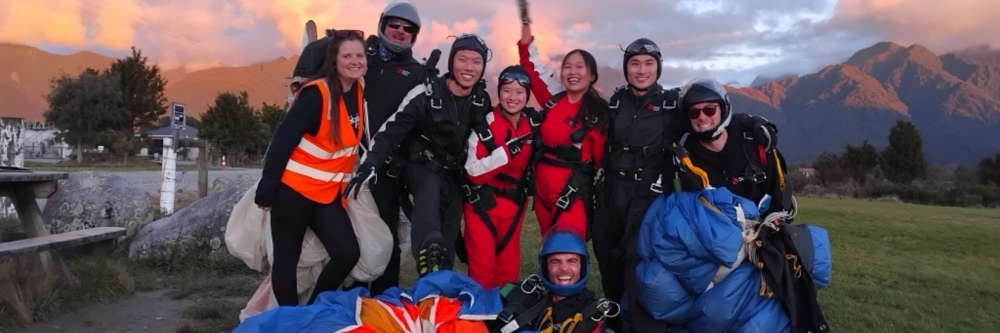
FAQs About Tandem Skydiving in New Zealand for First-Time Jumpers
Is tandem skydiving safe for complete beginners?
Yes, tandem skydiving is designed specifically for first timers. You’re attached to a certified instructor who manages all technical aspects. Skydive NZ operates under strict CAA and WorkSafe NZ regulations with multiple safety redundancies including reserve parachutes and automatic activation devices.
Will I get that stomach-drop feeling during freefall?
No. Because you exit an aircraft already moving forward at high speed, you don’t drop straight down. You smoothly transition onto a cushion of air, creating a floating sensation rather than that roller coaster drop feeling. Skydive NZ instructors explain this feeling during your briefing to ease pre-jump nerves.
What if I panic on the plane and don’t want to jump?
Your feelings are valid, and the decision is yours. However, most nervous first-timers find that once they’re geared up and focused on their instructor’s guidance, the anticipation transforms into excitement. If the aircraft takes off and you decide not to jump, refund policies vary by operator.
Can I skydive if I have a fear of heights?
Many successful first-time skydivers have a fear of heights. Interestingly, the altitude involved in skydiving is so great that it often doesn’t trigger the same response as standing on a ladder or balcony. Skydive NZ welcomes nervous jumpers and their instructors are experienced at helping you feel comfortable.
How long does the entire skydiving experience take?
Most tandem skydiving experiences take approximately 3 hours from arrival to departure. This includes check-in, gearing up, safety briefings, your scenic flight, the jump itself, and landing. Weather conditions and operational factors can occasionally affect the schedule.
What is the maximum weight limit for tandem skydiving?
Most operators in New Zealand set a standard maximum weight of 100 kilograms. Passengers between 100-115 kilograms may be assessed on the day. Skydive NZ requires harness fit checks for passengers near the weight limit to ensure equipment functions correctly. A surcharge may apply.
Should I eat before my tandem skydive?
Yes. Eat a light meal 1-2 hours before your jump. Toast, fruit, or a sandwich works well. Skydive NZ instructors note that jumping on an empty stomach is one of the most common first-timer mistakes. Food helps stabilize your energy and manage adrenaline. Avoid alcohol for at least eight hours before jumping.
Can I wear glasses during my skydive?
Yes. You can jump with prescription glasses or contact lenses. Skydive NZ provides goggles that fit comfortably over glasses and work well with contacts. Your vision during the incredible views below won’t be compromised.
Can I wear glasses during my skydive?
Yes. You can jump with prescription glasses or contact lenses. Skydive NZ provides goggles that fit comfortably over glasses and work well with contacts. Your vision during the incredible views below won’t be compromised.
Is the best Skydive the highest one?
No, the best altitude choice depends on what you want your skydive experience to be. Some people prefer a longer duration in freefall with more cinematic views, which makes higher altitude jumps a better option. Others just want to tick off a major adventure off their bucket list and are working with a smaller budget, which makes a 10,00ft jump more ideal. We have a friendly team who can answer all your questions if you’re still unsure.