
IS SKYDIVING SAFE IN NEW ZEALAND? WHAT FIRST-TIME JUMPERS SHOULD KNOW
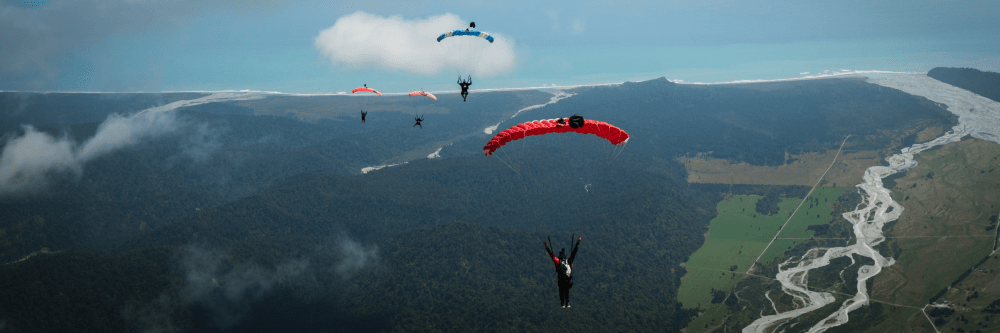
If you’re thinking about your first skydive in New Zealand, your first question is probably a simple one: Is skydiving safe? The answer is yes and it’s why thousands of first-time jumpers choose to do it here every year.
When you jump with an experienced tandem team, your skydive is built around clear procedures, trained instructors, sound weather-based decision making, and multiple layers of backup. At Skydive New Zealand, we treat safety as part of the experience from the very beginning, not as fine print at the end. That means you can focus on the big part: stepping into something extraordinary with confidence.
Why so many first-timers ask this first
Before people ask about freefall time, camera packages, or which drop zone to choose, they usually ask the same thing: is skydiving safe? That makes sense. For most first-time jumpers, skydiving sits well outside the everyday. It’s new, it looks extreme from the ground, and it’s normal to want reassurance before you book. That’s exactly where we come in. As Skydive New Zealand, our role is to be your trusted guide behind New Zealand’s scenic skydiving experiences, helping you understand what you’re booking, what to expect, and why so many first-timers end up loving it.
What actually makes tandem skydiving safe
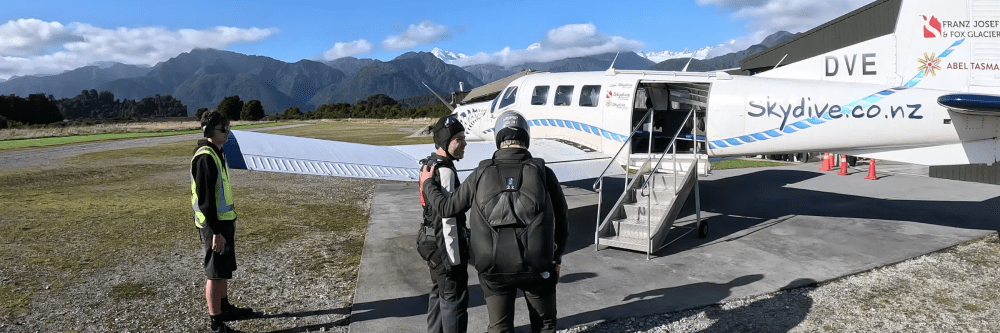
Tandem skydiving is designed for people who haven’t jumped before. You’re securely attached to a qualified instructor who handles the technical side of the experience from exit to landing. Every tandem rig includes a main parachute, a separate reserve parachute, and an Automatic Activation Device, which acts as an additional backup if needed. In other words, you’re not relying on a single system, and you’re never expected to manage the jump on your own. We guide you through the simple parts you need to know, and we take care of the rest.
We don’t just rely on equipment, we rely on process
Good safety is never just about gear. It’s about what happens before you even get near the aircraft. On our safety page, we’re clear that safety is a top priority across the whole operation. That includes hazard identification, risk management, clear safety processes, reporting systems, and a culture of continuous improvement. It’s one of the reasons we talk about safety with calm confidence rather than hype. We don’t see it as a marketing add-on. We see it as the standard we operate to every day.
What happens before the jump is part of what makes it feel safe
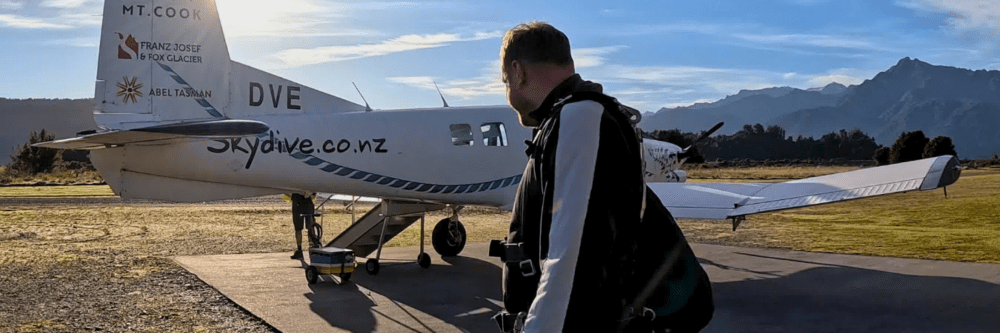
One of the best ways to ease nerves is to know what the experience actually looks like. Before your jump, we take you through check-in, suitability checks, gearing up, and a simple instructor briefing so you know exactly what’s coming next. Be sure to check out our existing first-timer content already walks through the basics, what to wear and how to prepare. We will also explain the experience on the ground on the day of your jump in a calm, practical way, because clarity is part of building confidence. When you know what’s happening and why, the whole thing feels far more manageable.
Freefall doesn’t feel the way most people expect
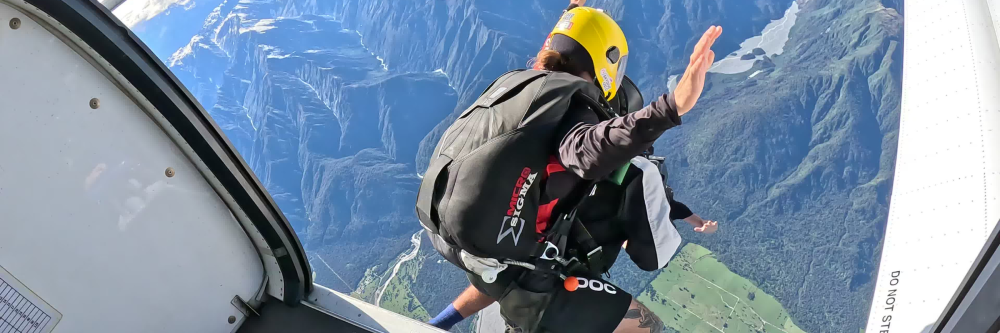
A lot of first-time nerves come from imagining the wrong sensation. People often expect a stomach-dropping rollercoaster feeling that continues all the way down. In reality, that’s not how tandem freefall is typically described. Once you’re stable, the airflow supports your body in a way that feels more like flying than falling. Here’s a blog where we explain that freefall is often much smoother and more controlled than people picture in their head. That’s one of the biggest surprises for first-timers, the experience feels far more supportive than scary.
Weather decisions are a safety feature, not a problem
If conditions aren’t right, we don’t force the jump. Weather is one of the most important parts of safe skydiving, and a delay or reschedule is a positive sign that the system is working as it should. Risk management is built into our safety framework, and if we need to wait for better conditions, that’s not uncertainty, that’s professionalism. It’s part of making sure your jump is not only thrilling, but also well and professionally judged.
Can anyone do a tandem skydive?
Not everyone will be suitable for every jump, and that’s completely normal. Suitability depends on things like weight, harness fit and general health rather than athletic ability. Our current guidance explains that there are minimum and extended weight thresholds, that younger passengers may need additional checks, and that anyone with health concerns should raise them in advance. That’s not about making the experience feel restrictive. It’s about making sure your jump is the right fit for you on the day.
Why New Zealand is such a strong place to do a first skydive
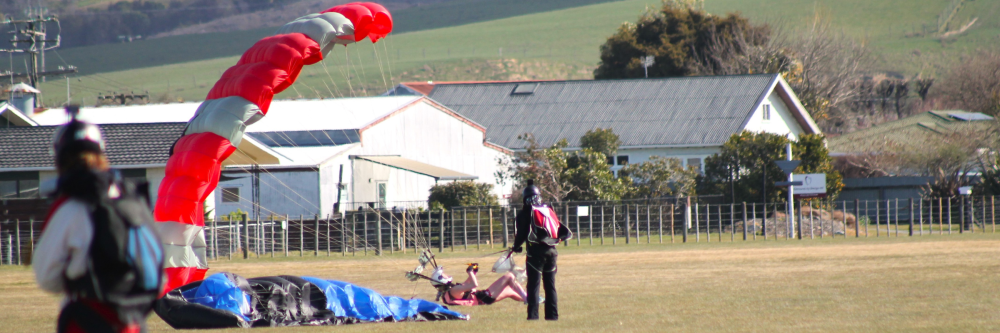
Part of what makes skydiving here so special is the combination of scenery and trust. At Skydive New Zealand: Skydive Abel Tasman, Skydive Franz Josef and Skydive Mount Cook, we bring together some of the country’s most iconic skydive locations under one shared standard of professionalism, safety culture and customer confidence. The landscapes may change, beaches, glaciers, alpine peaks, but the promise stays the same: different places, same standards. That’s a huge part of why a first skydive in New Zealand feels so appealing. You’re not just doing something adventurous. You’re doing it in a place built for scenic perspective, with a team that’s built for clear guidance.
The shift most people feel
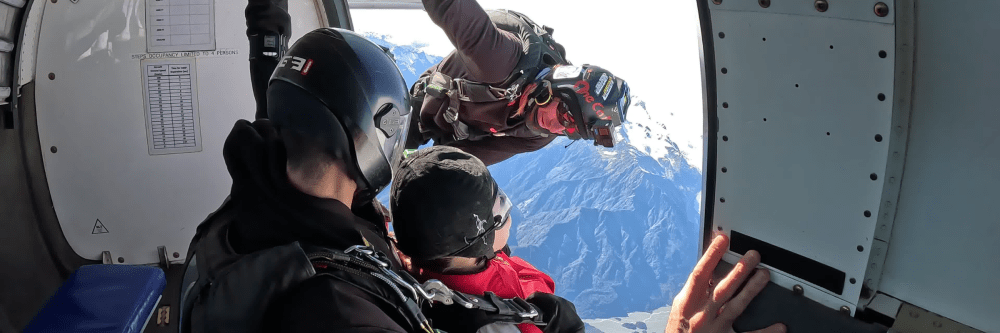
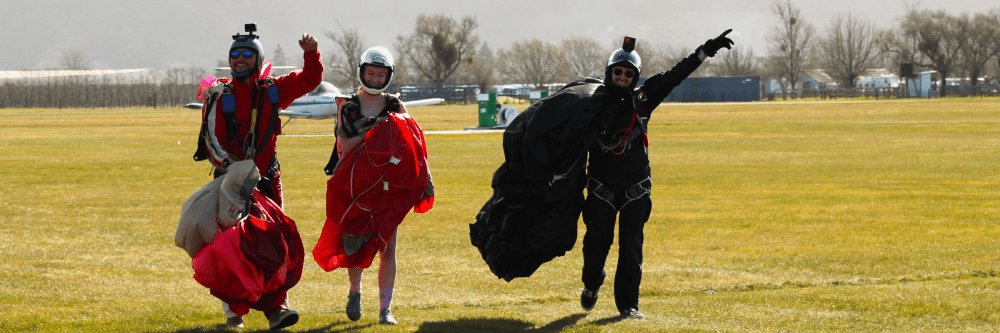
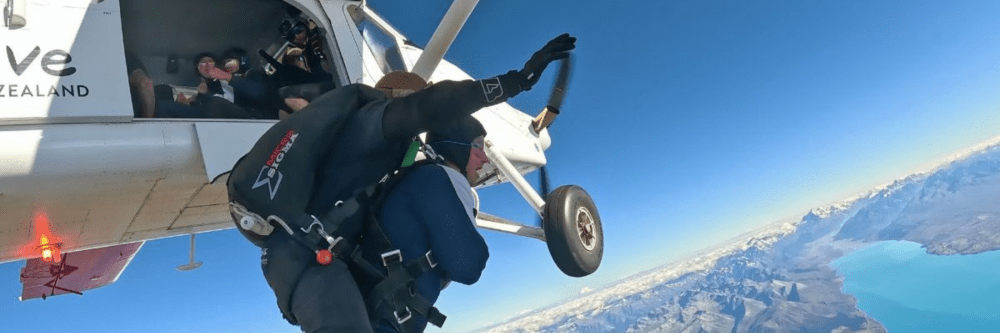
For most first-timers, the emotional journey is the same. They arrive with a mix of nerves and excitement. They get briefed, geared up, and guided through the process. Then something changes. What felt scary from a distance starts to feel clear, professional and completely doable. That’s the point where fear usually gives way to anticipation. And once the aircraft door opens over one of New Zealand’s most spectacular landscapes, the whole experience becomes much bigger than the question that started it. It’s no longer just is this safe? It becomes I’m really doing this.
Quick summary
If you only want the short version, here it is:
- Yes, tandem skydiving in New Zealand is designed to be safe for first-timers when operated by experienced teams using structured procedures and multiple backup systems.
- We guide you through the entire experience, and your tandem instructor manages the technical side of the jump from exit to landing.
- Safety is built into more than the equipment it also includes checks, weather decisions, suitability assessments and a wider operational safety culture.
- The experience usually feels less scary than people expect, especially once they understand how it’s structured and what freefall actually feels like.
- At Skydive New Zealand, our role is to make that confidence easier to find so you can focus on the view, the feeling and the perspective that comes with it.
FAQ
Question: Is tandem skydiving a good choice for first-timers?
Short answer: Yes. Tandem skydiving is specifically designed for people without solo skydiving experience. You’re attached to an instructor the entire time, and they handle the technical aspects of the jump.
Question: What safety systems are used on a tandem jump?
Short answer: A tandem jump includes a main parachute, a reserve parachute, and an Automatic Activation Device, along with a secure harness system connecting you to your instructor.
Question: What if the weather changes?
Short answer: If conditions aren’t suitable, the jump may be delayed or moved. Weather-based decision making is part of how safe skydiving operations work.
Question: Do I need to be really fit to skydive?
Short answer: No. Suitability is more about weight, harness fit and general health than athletic ability.
Question: What if I’m nervous on the day?
Short answer: That’s completely normal. Most first-time jumpers feel some nerves before the jump, which is why we focus so much on clear process, calm guidance and simple instructions.